
Breast self-examination: when and how often it is recommended
Breast health requires ongoing attention, not only when pain or visible discomfort occurs. Some changes can be detected through self-examination, while others can only be identified through medical evaluation and timely diagnostic investigations. Breast cancer is one of the conditions in which early detection plays a crucial role. Identifying changes at an early stage allows for more timely investigations and the recommendation of appropriate monitoring or treatment measures.
At the Republican Medical Diagnostic Center, patients can benefit from mammological evaluation and breast examinations based on their age, symptoms, and the physician’s recommendations.
Why Is breast screening important?
Breast screening helps identify changes in the breast tissue before they progress. Some conditions may develop without obvious symptoms, which is why regular consultations and physician-recommended examinations are important for early detection. Many patients postpone medical evaluation because they do not experience pain or consider the changes to be minor. However, even seemingly insignificant changes should be assessed by a specialist.
When is mammological evaluation recommended?
A mammological evaluation is recommended when breast changes or unusual symptoms occur. These may include the appearance of a lump, persistent pain, change in breast shape, nipple retraction, nipple discharge, redness, or changes in the skin and underarm area. These signs do not always indicate a serious condition, but they do require medical evaluation. Depending on the case, the doctor may recommend a breast ultrasound, mammogram, or other additional investigations.
How often is breast examination recommended?
The frequency of check-ups depends on age, symptoms, family history and individual risk factors. Breast self-examination is recommended monthly, and consultations and imaging investigations should be performed as recommended by the doctor. Up to the age of 40, breast ultrasound is frequently used for evaluation, especially in the case of pain, lumps or other changes. After the age of 40, mammography becomes one of the important investigations for the early detection of breast changes.
For patients at high risk, including those with a family history of breast cancer, the doctor may recommend more frequent check-ups and additional investigations.
What investigations may be recommended?
Mammological evaluation
A mammological evaluation is the first step when changes occur in the breasts or when a preventive check-up is necessary. The doctor analyzes the symptoms, medical history and performs a clinical examination of the mammary glands.
Breast ultrasound
Breast ultrasound is an investigation performed with ultrasound and can be recommended at any age, especially for young women or patients with dense breast tissue.
Mammography
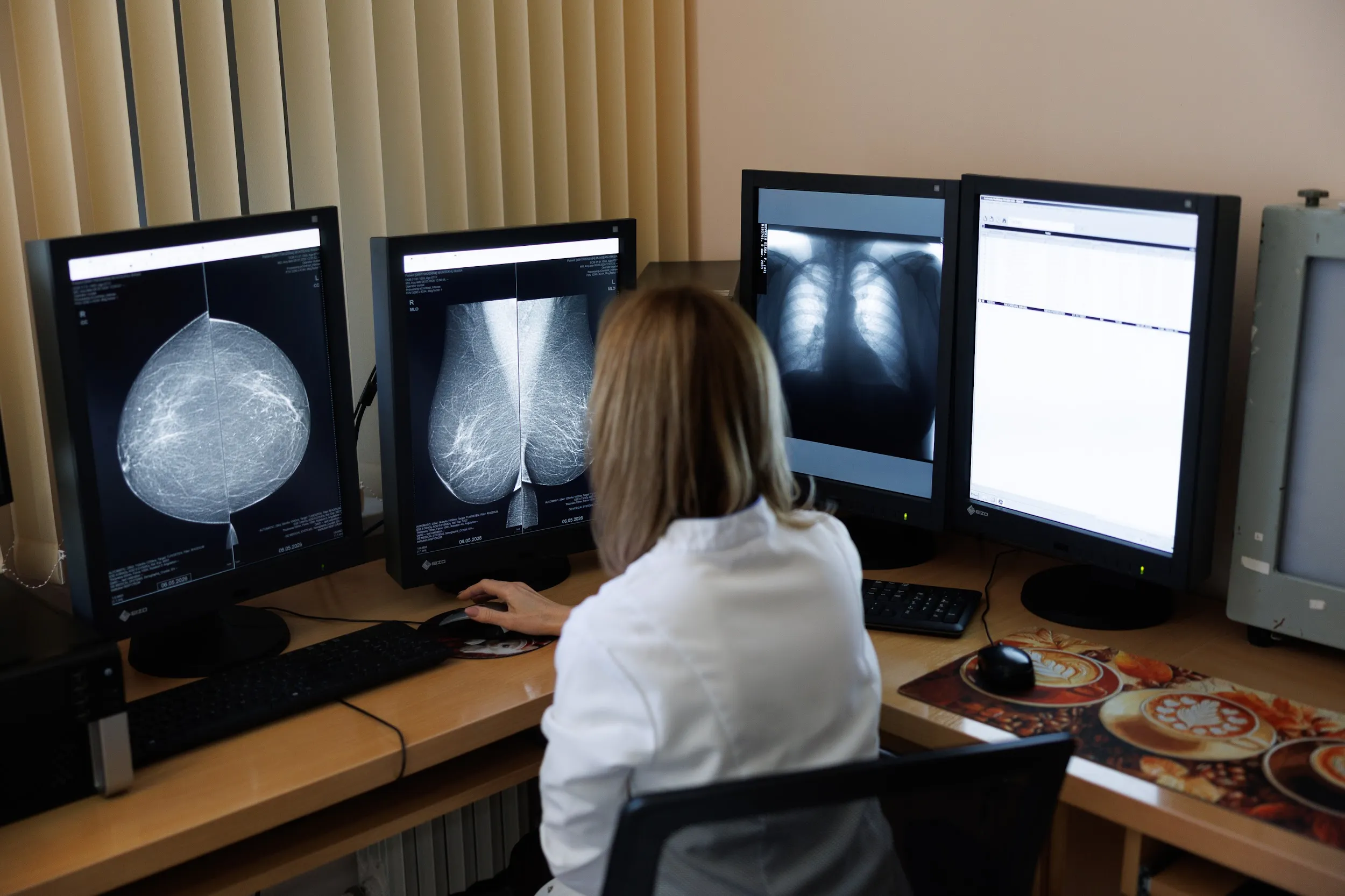
Mammography is especially recommended after the age of 40 and can help detect changes that are not felt on palpation. It can be part of a regular check-up or may be indicated when there are symptoms or clinical changes.
The importance of regular checks
Breast cancer does not always have obvious symptoms in its early stages, so mammological evaluation and timely investigations can help to detect changes that require monitoring or treatment more quickly. Patients who notice changes in their breasts, have symptoms, a family history of breast cancer, or are over 40 years old can undergo an evaluation at the Republican Center for Medical Diagnostics.