
Gastrointestinal endoscopy: when it is recommended
Persistent digestive symptoms should not be ignored, especially when they recur or affect overall health. Heartburn, abdominal pain, nausea, bloating, difficulty swallowing, or changes in bowel habits may have various causes, and digestive endoscopy allows direct evaluation of the gastrointestinal tract. At the Republican Medical Diagnostic Center, patients can benefit from endoscopic examinations of the upper and lower gastrointestinal tract, based on a physician’s recommendation.
What is digestive endoscopy?
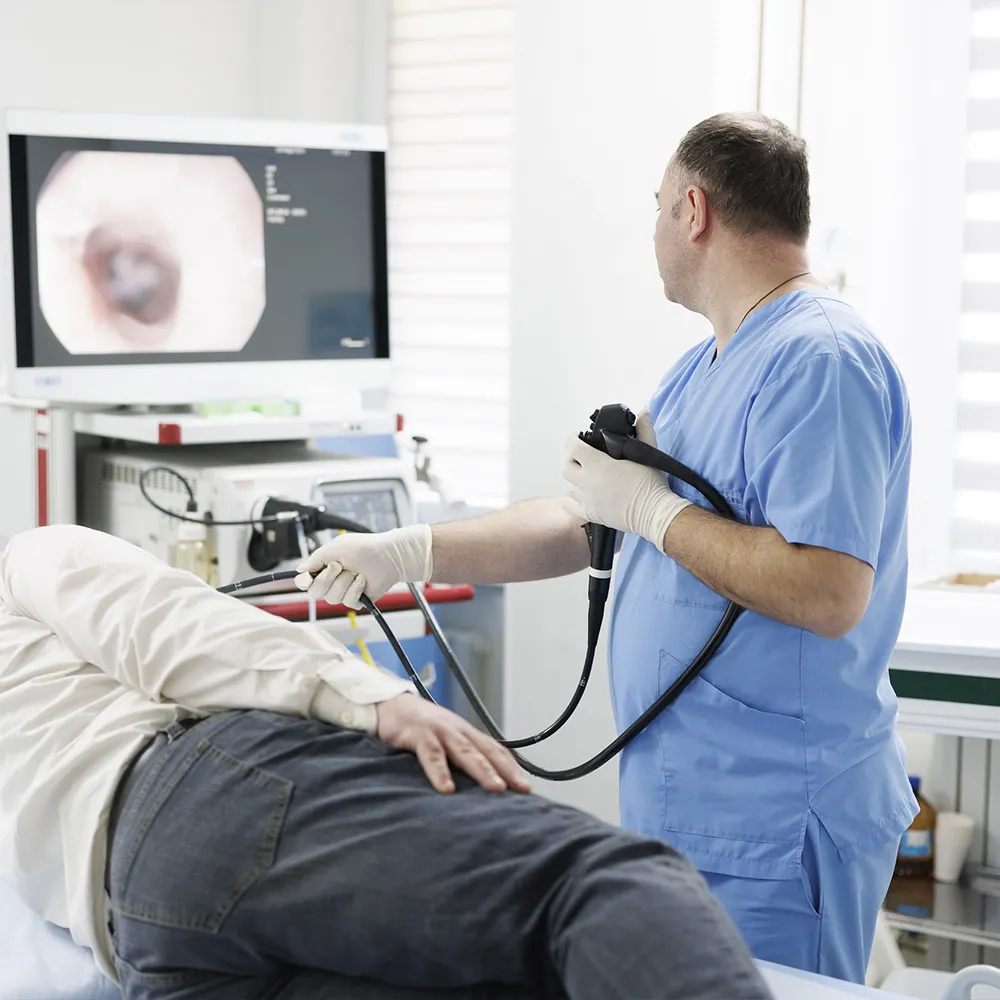
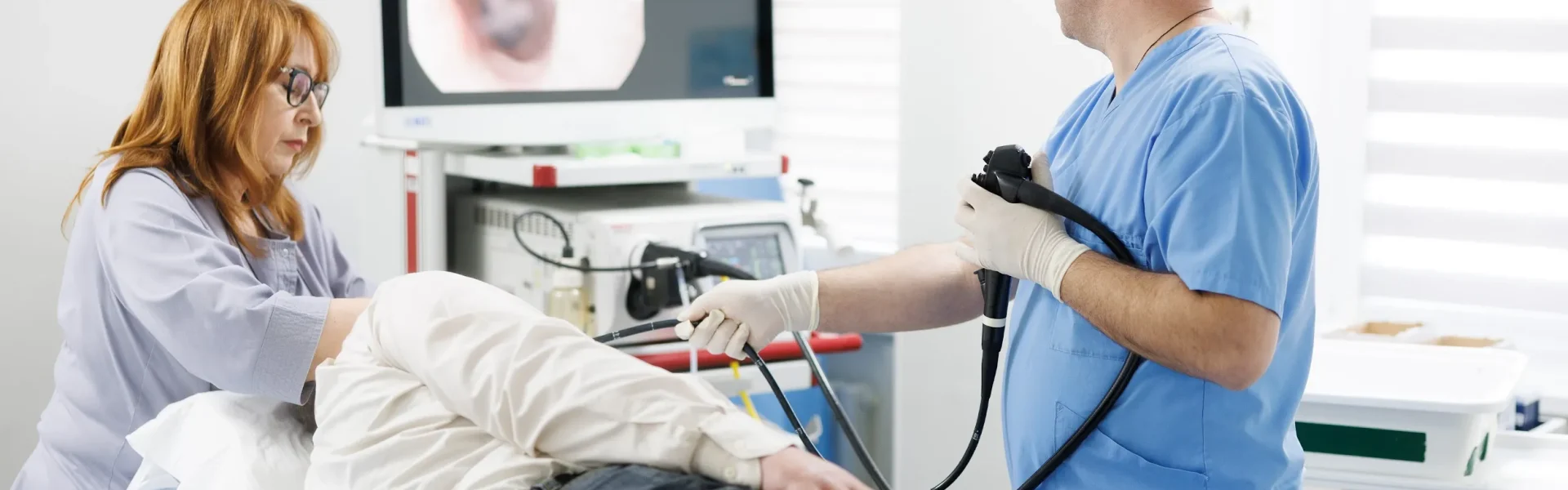
Digestive endoscopy is a medical procedure used to diagnose gastrointestinal conditions. During the examination, the physician uses a thin, flexible tube equipped with a video camera, allowing real-time visualization of the digestive tract lining. This method can reveal changes that may not be detected during a routine medical examination and provides valuable information about the condition of the digestive tract.
What investigations can be carried out?
At the Republican Medical Diagnostic Center, procedures such as video gastroscopy, video colonoscopy, endoscopic biopsy, and endoscopic polypectomy can be performed. Endoscopy may also be used to assess gastrointestinal lesions and monitor chronic digestive disorders.
Depending on the medical indication, the procedures can be performed with sedation or anesthesia, for greater patient comfort.
When may digestive endoscopy be recommended?
Digestive endoscopy may be recommended when digestive symptoms persist, recur frequently, or require further investigation. Symptoms that may require evaluation include abdominal pain, frequent heartburn, nausea, difficulty swallowing, persistent bloating, gastrointestinal bleeding, anemia of unknown cause, changes in bowel habits, or unexplained weight loss. The procedure may also be recommended for monitoring previously diagnosed digestive disorders.
What can endoscopy reveal?
Digestive endoscopy provides valuable information about the condition of the digestive tract lining and can help identify changes such as gastritis, esophagitis, duodenitis, ulcers, polyps, inflammatory conditions, and other gastrointestinal lesions.
In certain situations, the physician may collect a tissue sample for histological examination when further diagnostic clarification is required.
Endoscopy with sedation or anesthesia
Many patients avoid this investigation due to emotions or fear of discomfort. Endoscopic procedures can be performed with sedation or anesthesia, as medically indicated, to provide a greater level of comfort during the examination.
Preparation for endoscopy
Proper preparation is important for obtaining clear images and relevant results. For videogastroscopy, the patient must come fasting, according to the instructions received before the examination. In the case of videocolonoscopy, preparation involves following a special diet and cleansing the colon according to medical recommendations.
Digestive endoscopy at CRDM
Digestive endoscopy can help detect and monitor digestive conditions and provides the doctor with important information about the condition of the digestive tract. Patients who experience persistent digestive symptoms or have a medical recommendation can undergo an endoscopic evaluation at the Republican Center for Medical Diagnostics.