

Cardiovascular symptoms that should not be ignored
Sometimes cardiovascular symptoms can be mistaken for fatigue, stress, or temporary discomfort. Chest pain or pressure, shortness of breath, palpitations, and dizziness may seem temporary, but when they recur or appear suddenly, a cardiology evaluation is important. At the Republican Center for Medical Diagnostics, patients can benefit from specialized consultations and investigations used to assess heart function, according to the doctor's recommendation.
When is cardiological evaluation recommended?
A cardiological consultation is recommended when symptoms appear that may indicate damage to the heart or blood vessels. Some manifestations may appear discreetly, may be exacerbated by exertion, or may be observed during periods of stress and fatigue. Symptoms that require evaluation include chest pain or discomfort, shortness of breath, palpitations, dizziness, weakness, fainting, swelling of the legs, or high and fluctuating blood pressure. High blood pressure. Pain that radiates to the arm, back, neck, jaw, or stomach should also be evaluated, especially if it occurs repeatedly or is accompanied by a change in general condition.
Signs that require urgent medical attention
Some symptoms require immediate medical attention. Severe chest pain, pressure that persists for several minutes, severe difficulty breathing, cold sweats, nausea, or intense dizziness may indicate a cardiovascular emergency.
Even when symptoms are not very clear, timely medical evaluation is important to prevent complications.
What does a cardiology consultation involve?
During the consultation, the cardiologist analyzes the symptoms, medical history, treatments administered, and blood pressure values. Depending on the situation, additional investigations may be recommended to evaluate the function of the heart and cardiovascular system. The purpose of the consultation is to identify possible cardiovascular changes, assess risks, and determine next steps, which may include treatment, monitoring, or additional investigations.
Investigations used to evaluate the heart
Echocardiography
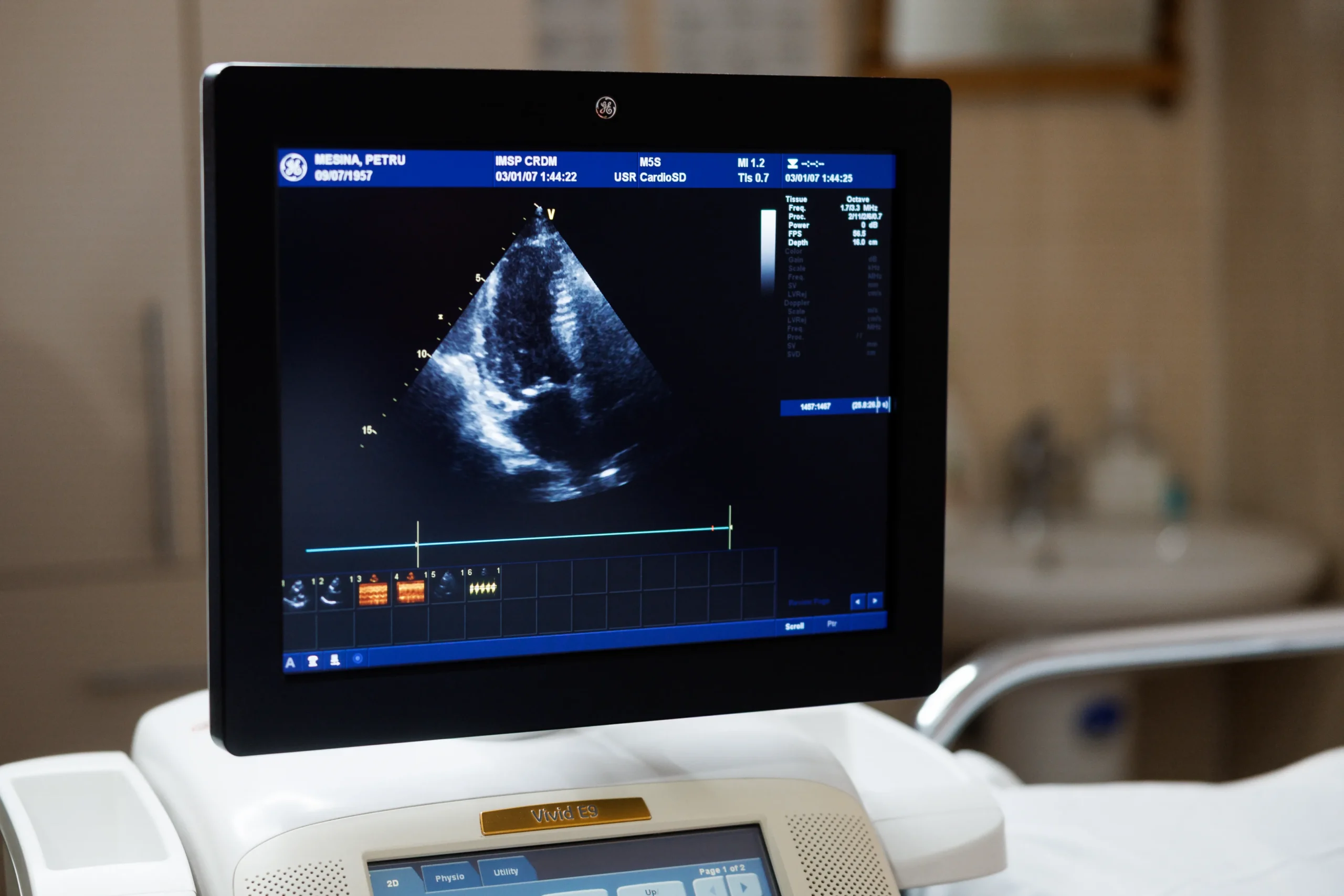
Echocardiography is an imaging investigation performed with ultrasound, which allows the evaluation of the structure of the heart, the valves and the way the heart contracts. This may be recommended in case of chest pain, shortness of breath, high blood pressure, or for monitoring known cardiovascular conditions.
Electrocardiogram and Holter monitoring
The electrocardiogram is used to evaluate the electrical activity of the heart and can help identify heart rhythm disorders. In certain situations, the doctor may recommend Holter ECG monitoring, which records the heart's activity over a longer period and may reveal changes that do not appear during a regular consultation.
Blood pressure monitoring
Blood pressure monitoring allows the assessment of blood pressure values throughout the day and may be recommended for patients with hypertension, fluctuating values, or symptoms such as dizziness, headaches, and palpitations.
Why is timely cardiological evaluation important?
Many cardiovascular conditions can be controlled more effectively when detected early. Consultation and recommended investigations can help identify the cause of symptoms and determine appropriate treatment or monitoring. For the patient, cardiological evaluation provides more clarity and certainty regarding the health of the heart.
Cardiological evaluation at CRDM
Patients experiencing chest pain, palpitations, shortness of breath, dizziness or high blood pressure can undergo cardiological consultations and investigations at the Republican Center for Medical Diagnostics, according to medical recommendation.